
My journey in the ADL program began at the closing of the 2020-2021 school year. I had reached a point in my career as a public educator where I needed to rediscover my purpose in the classroom. I was ready to wave my proverbial white flag and leave the classroom. The pandemic had magnified the concerns I had observed with my learners in my short 10 years as a math teacher. Learner apathy was taking hold of many of my students’ will to learn. With the option to attend class virtually, many of my students would never attend Zoom. And those who attended virtually were logging in and not participating in learning. I was struggling as much as they were. I had to remind myself that I was not a quitter. Something had to change. I was not naïve to the fact that I was the one that needed to reevaluate and rethink how I was doing my job as a teacher.
I had an idyllic version of a teacher’s role as a young child. I would line up my dolls and stuffed animals with my art easel and be a teacher. It was learning the alphabet and math facts. I could not have been further from the reality of an educator in 21st-century public education. The change I was looking for came from discovering the Masters of Education in Applied Digital Learning (ADL) program at Lamar University. I have entertained the idea of pursuing my Master’s degree many times since graduating with my Bachelor’s. I needed to rediscover why I was an educator. I had always told myself when the passion was gone, I would find my exit. My passion was not gone. I had lost sight of it. The initial goal I wanted to accomplish with completing the ADL program was to understand how to leverage technology in a classroom environment effectively. I quickly found that this was a small part of what I would learn in this graduate program.

In the first two courses, Authentic Innovation Plan (EDLD 5305) and Learner’s Mindset (EDLD 5302), I was given the most uncomfortable task of having a choice through the authentic learning activities I was assigned. It was an unfamiliar situation to be in as a learner. Through my studies of the Growth Mindset (Dweck, 2007) and Blended Learning (Horn & Staker, 2015), I found the spark I sought in my professional life. These were the experiences I needed to share with my learners. The transition to this new approach to learning was difficult. I often found myself doubting my abilities and the work I was producing. Failure was and is something I am still facing as I complete my learning activities. My fixed mindset has plagued my confidence. The mistakes I have made throughout this program have been my most valuable learning opportunities.
My next term offered the chance to learn how to utilize my ePortfolio (EDLD 5303) more effectively. The ePortfolio serves as a means to find my voice with my audience and, ultimately, the world. Through developing my ePortfolio, I discovered I had something to say that people wanted to hear. It has been a liberating experience. With the progression of my learning through the courses Organizational Change (EDLD 5304) and EdTech Publication (EDLD 5317), it was as if the volume and reach of my voice were increasing. My confidence was strengthened as I owned my learning. The uncomfortable feelings I had previously felt diminished as I took control of my learning.
The deeper connections the course work afforded me resulted in my growth and development into a more competent educator. My direct superiors, along with those who work at a district level, had taken notice of my accomplishments in the classroom. Implementing my Innovation Plan was beginning to make some ripples among district specialists. In these last few months of the 2023-2024 school year, I was asked to prepare a professional learning opportunity for the new school year. I can put into action the PL that I created for PD Development (EDLD 5389). I am optimistic that I will be able to put into place a chance for educators to learn from and support one another. It will be a great way to begin a new school year.
With the new school year, I have also been selected to teach a new mathematics course. With this new prep, comes the opportunity to implement the new learning model, Inquiry-based learning. I have sixty hours of intense training on the program and how to facilitate learning with this approach. As I am only about 6 hours into the training, I cannot keep my excitement at bay to move forward in the learning. The training that is provided in an excellent model of blended learning. Thirty of the sixty hours is completed independently with many types of assessment and reflection activities throughout the content. The final thirty hours are done online and collaboration is required among educators teaching the same course. I am looking forward to growing my professional learning network through this work.
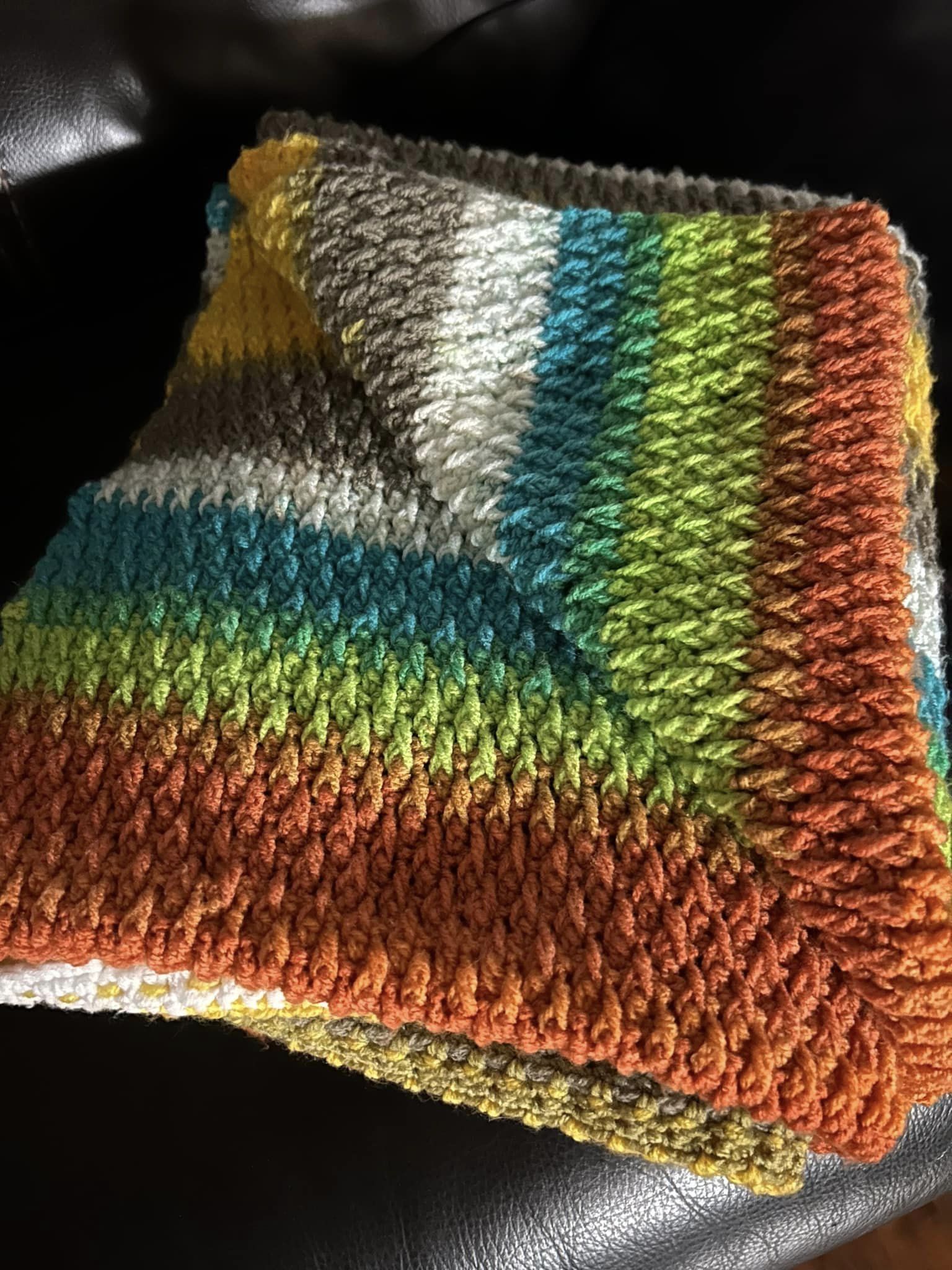
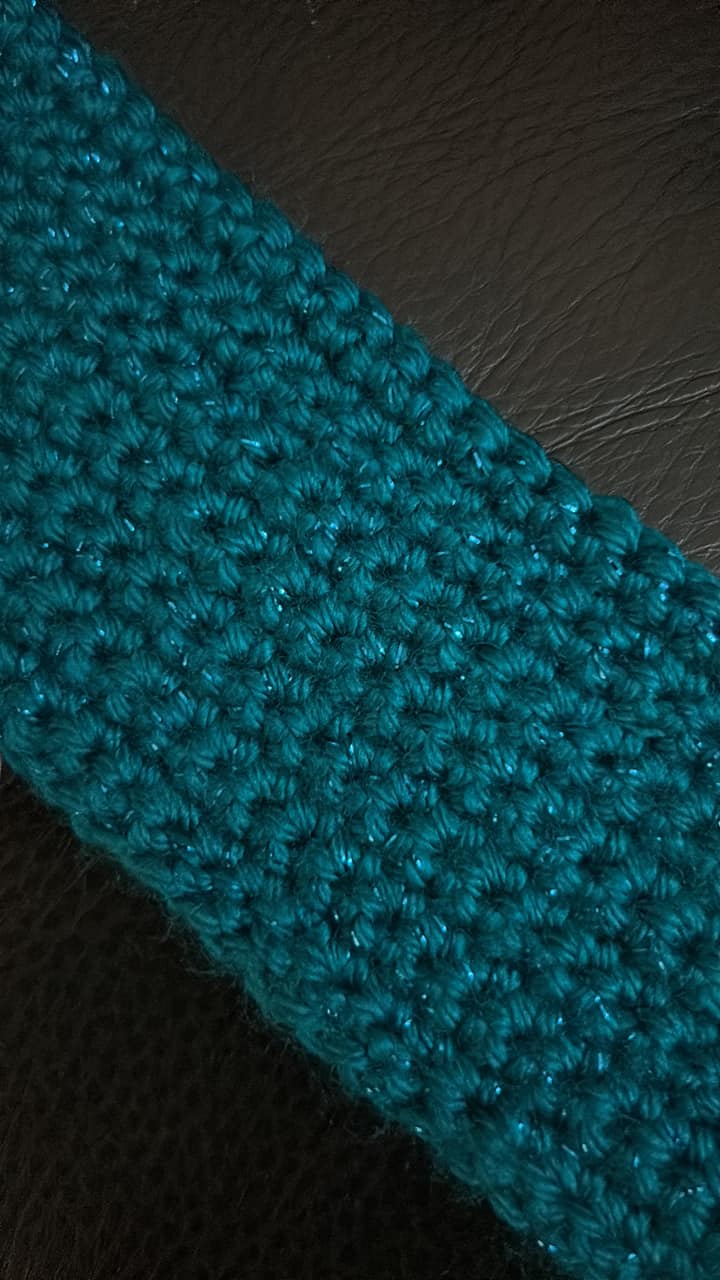
A few years ago, I would not be as motivated to waste my precious summer on training for work. Now I seek out occasions to learn wherever I can find them. This also applies to even in my personal life. I took advantage of the time I had between terms to teach myself how to crochet. Through the use of YouTube and blogs, I have learned many stitches. I have been able to complete two throws. This is yet another way I can encourage my learners to find value in trying hard things without fear of failure. I had to start over more times than I could count while trying to figure out a particular stitch or pattern. I did not give up, and I am better for it. Crocheting has become a means of self-care. I look forward to giving my family and friends the gifts I have created for them.


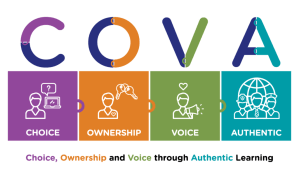
Reflecting on the learning I am fortunate enough to have accomplished these twelve months in the ADL program, I still question how I best create significant learning environments that provide choice, ownership, and voice through authentic learning experiences (CSLE+COVA). Dr, Harapnuik and my other ADL professors have created and developed learning opportunities that have given me first-hand knowledge of CSLE+COVA (Harapnuik et al., 2015). My struggle comes from the content that I am hired to teach is state-tested. It is tricky to offer choice and ownership with competency-based education that leads to a standardized test required for graduation. I am also required to use common assessments, some created by district personnel. While I find myself at the end of my ADL journey, these concerns validate my progress and growth as an educator. What that looks like, I need to find out. However, I know that it will be a challenge, and I will find failure. I will persevere and not be swayed by those likely mistakes. Because I know that will be my greatest teacher.
My own selfish reasons for pursuing my graduate degree was only part of my decision to begin this expedition of learning. I was also drawn to the fact that I was using my classroom as my laboratory. My learners could immediately benefit from the learning I was accomplishing in real time. They would not have to wait for my graduation. I am not exactly sure of the precise moment, but COVA quickly became vital in my decision-making with regard to my learners. I want to foster a significant learning environment like that one that I have been experiencing through the ADL program. The struggle to get young adults to interact with the learning in the classroom has been an obstacle I have been striving to conquer since my days as a student-teacher. How do I lead my students to find value in their education and ultimately their learning? I believe that my most valuable tool is myself. I must be an example of what I want them to be. I cannot say one thing and do another if I expect them to respect me.
This last year of learning and teaching has reignited my “why.” I am anxiously awaiting the new school year to readjust my approach and practices based on my experiences and reflections of the previous year. Self- reflection and assessment is something that I have always done, but maybe not quite as effectively until now. With a new course to facilitate, comes new opportunities to create significant learning environments that afford choice, ownership, and voice through authentic learning activities. I am optimistic that my continued growth and deepening understanding of learning will continue. My voice will reach more people and I will be an influencer of change in my own community. I will lead and teach others about the power of COVA and how we have to create circumstances in which our learners can take ownership of their learning. We have a duty to prepare them for living and learning in the 21st-century.
References
Dweck, C. S. (2007). Mindset: The New Psychology of Success. Ballantine Books.
Harapnuik, D. (2015). COVA. It’s About Learning. https://www.harapnuik.org/?page_id=7012
Harapnuik, D., Thibodeaux, T., & Cummings, C. (2018). COVA (0.9) [EBook]. Creative Commons License. https://www.harapnuik.org/?page_id=7291
Horn, M. B., Staker, H., & Christensen, C. M. (2015). Blended: Using Disruptive Innovation to Improve Schools (1st ed.). Jossey-Bass.
21st century skills ability art autonomy blended learning change choice board collaboration connections COVA creativity discussion edtech education ePortfolio facebook failure feedback feedforward flipped classroom Google growth mindset innovative iste learning learning menu mistakes nctm networking philosophy PLC pln possibilities proactive professional progressive reflection secondary mathematics Slides success technology urgency workforce writing yet




 Valary's Vision of a Modern Secondary Mathematics Classroom